Clear aligner treatment at myORTHODONTIST Maple Ridge
Clear aligners are a category. Invisalign is one brand within it. The diagnosis matters more than either.
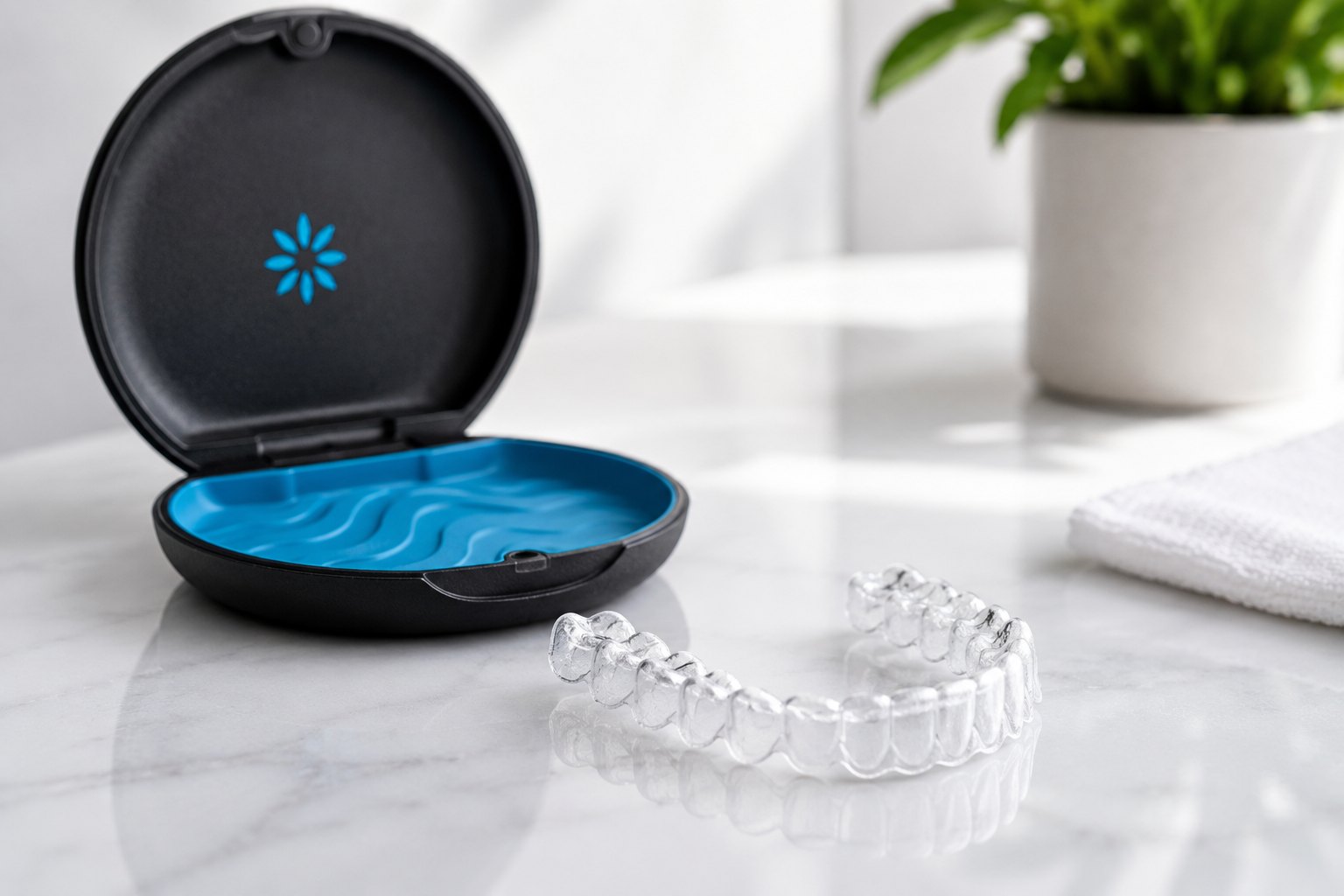
"Clear aligners" is the category of removable, transparent appliances that move teeth in staged increments. Invisalign is the brand within that category used for most aligner cases at myORTHODONTIST Maple Ridge, alongside professional alternatives such as Spark and ClearCorrect and a shrinking list of mail-order products. If you searched for clear aligners rather than a brand name, the short version is this: the professional systems are broadly comparable, and the result depends far more on the certified specialist orthodontist diagnosing your bite and planning each movement than on whose plastic is used.
Why diagnosis beats brand
Every aligner system moves teeth with the same physics. What differs between offices is what happens before the first aligner is made: whether an x-ray shows the roots and bone, whether the bite is assessed rather than just the front teeth, and whether a specialist rewrites the software's proposed movements tooth by tooth. That planning step is why the same brand produces different results at different offices, and it is the step a complimentary evaluation here is built around. Mail-order kits that skip the examination skip exactly that, which is why we advise an in-person assessment before committing to any aligner product.
Is aligner treatment right for you?
Most crowding, spacing and mild to moderate bite problems respond well when aligners are worn at least 20 hours a day; severe rotations, large vertical movements and doubtful wear time are the honest reasons to choose braces instead. The Invisalign page explains how treatment is planned and supervised at our office, and braces or Invisalign covers how the choice is made.
Common questions
Does the aligner brand matter?
Less than the person planning your case. The professional systems are broadly comparable; two orthodontists using the same brand can produce very different results. myORTHODONTIST Maple Ridge uses Invisalign for most aligner cases because of its planning software and the team's case volume on it.
Are mail-order clear aligners safe?
They carry real risks: no x-ray to see roots and bone, no bite assessment, and no clinician to see if something goes wrong. For anything beyond very minor relapse in a healthy adult mouth, an in-person assessment by a certified specialist is strongly advised.
Find out whether aligners suit your case
A complimentary evaluation at myORTHODONTIST Maple Ridge includes a digital scan, a bite and airway assessment, and the full fee in writing. No referral needed.