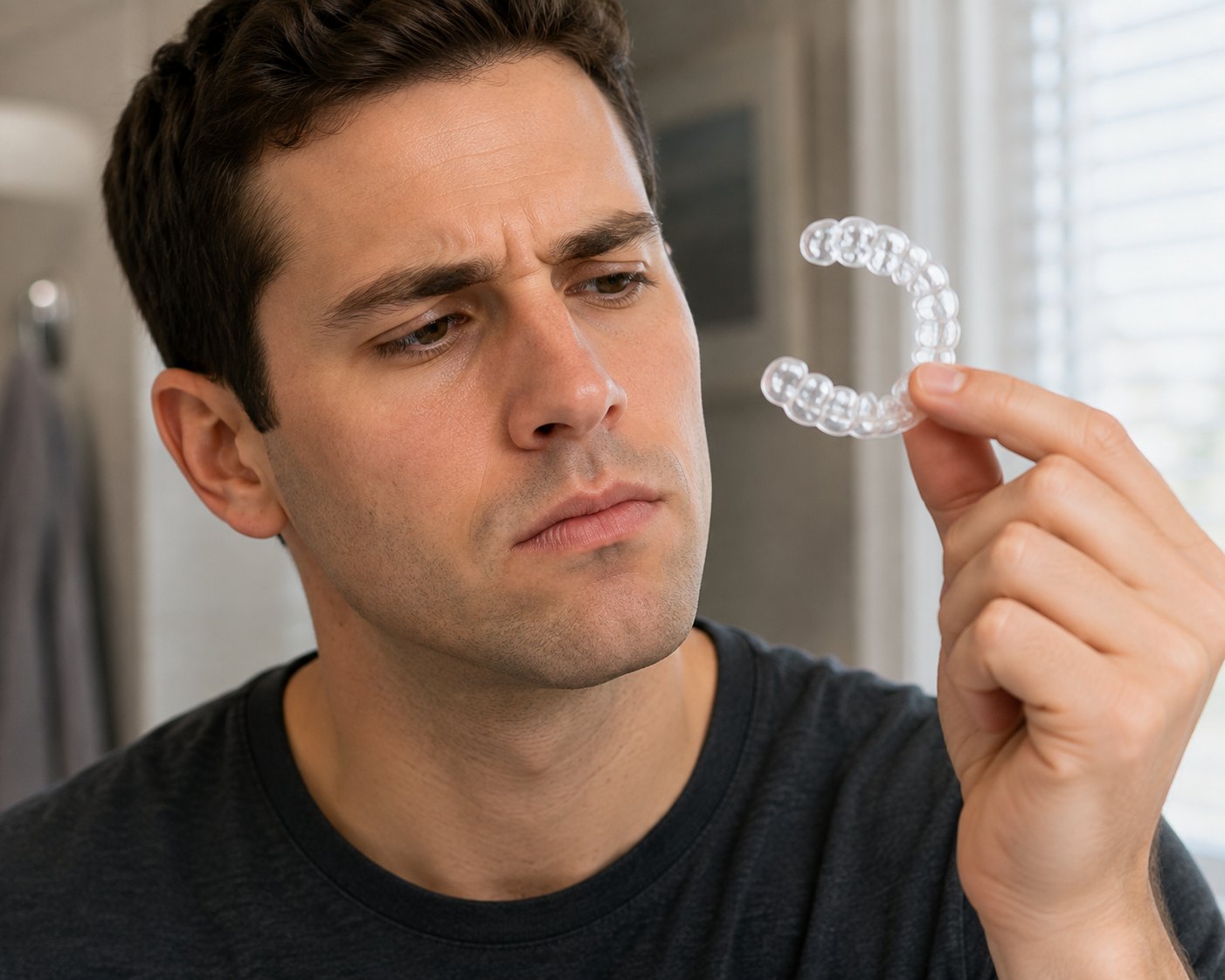
Myths about the aligners themselves, how invisible they are, how fast they work, whether they hurt, are covered in the clear-aligner myths guide at MapleRidgeClearAligners.com. The myths below are about the other half of the decision: who plans and supervises your treatment. We hear each of them at consultations in Maple Ridge.
- "I need a referral from my dentist first." Not in BC. You can book directly with a certified specialist in orthodontics, and we keep your dentist informed throughout treatment.
- "An orthodontist will charge far more for the same aligners." The aligners are only part of any fee; diagnosis, planning, refinements, retainers and supervision are the rest, so compare what is included. At our office the fee covers attachments, refinements and retainers and is quoted in writing before you start.
- "The plastic is the same everywhere, so the provider does not matter." The plastic is the same; the plan is not. Two providers can use identical aligners and produce very different results, because the result is decided by the movements someone designs.
- "An orthodontist will just push me into braces." We recommend braces when they are the more predictable tool for a specific movement, or when daily wear is unlikely to happen. Most adults and many teens we see are good aligner candidates, and we tell them so.
- "My case is too simple to need a specialist." Simple cases are where limited treatment makes sense, at a lower fee, but only after an examination confirms the case really is simple. Crowding sometimes hides a bite problem that straightening the front teeth alone would make worse.
- "My case is too complicated for Invisalign." Sometimes true, often not. Many overbites, crossbites and open bites are treated with aligners in specialist hands, and some cases use a few months of braces followed by aligners to finish.
- "Orthodontists mainly treat children." A large and growing share of orthodontic patients are adults, and adult treatment is planned around gums, existing dental work and busy schedules.
- "A free consultation is a sales pitch." Ours ends with a diagnosis and options, and sometimes the recommendation is to wait, to treat less, or not to treat at all. There is no obligation.
- "Once the aligners come off, the orthodontist is done." Retention is part of treatment. Retainers are fitted as the aligners finish, and wearing them is what makes the result last.
- "Mail-order aligners just skip the middleman." They skip the examination: no x-ray of the roots and bone, no bite assessment, and no one to see if something goes wrong.
What to take from this
The appliance matters less than the diagnosis and the plan. A complimentary evaluation with a certified specialist costs nothing and tells you which of these applies to your case. Orthodontist or dentist for orthodontics explains the training difference in more detail.
Ask a specialist directly
A complimentary evaluation at myORTHODONTIST Maple Ridge with no referral needed. The full fee is quoted in writing, insurance is billed directly, and interest-free monthly plans are available.